Lacquergram: for Nail Polish L
LacquergramBeauty
4.486.00 Reviews
- Version
- 2.9
- Installs
- 50.00K
- Age Rating
- Everyone
Screenshots
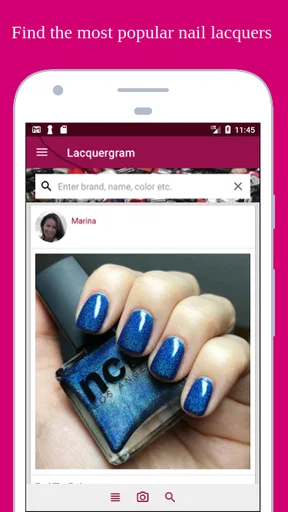
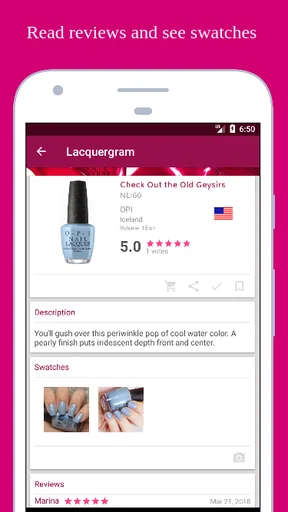
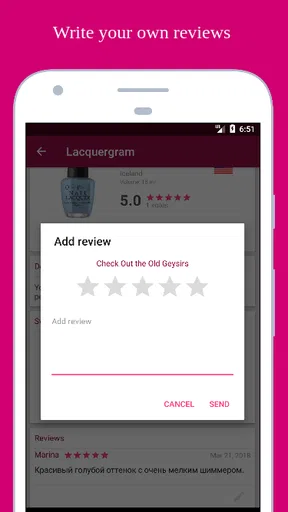
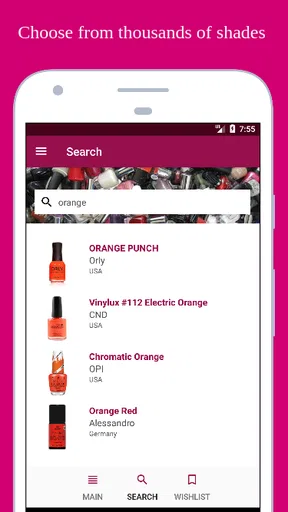
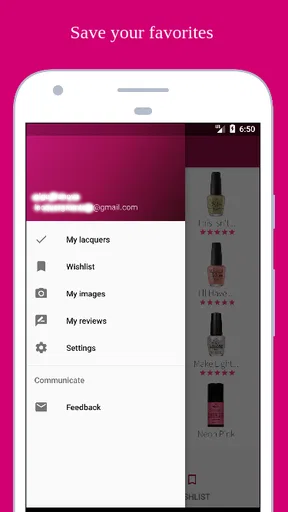
Our Review of Lacquergram: for Nail Polish L
 Analysis by Appyee
I downloaded Lacquergram because my nail polish collection had reached the point where choosing a color was harder than buying one. Bottles were spread across drawers, some shades were easy to forget, and I often remembered a polish only after seeing it on someone else. This free beauty app from Lacquergram takes a more organized approach: it gives your stash a place to live while also helping you look for shades beyond the ones already on your shelf.
My first impression was that it is aimed at people who enjoy nail polish as a hobby, not only at someone who wants a quick manicure idea. The app is available for everyone, runs on Android devices using version 7.0 or later, and has reached over 50 thousand installs. Its average score of 4.4 from more than 500 ratings suggests that the basic idea works well for many users, although the experience is more useful when you are willing to maintain your collection rather than simply browse once and leave.
From a scattered polish drawer to a usable collection
I start with the practical problem behind a polish inventory: remembering what I own well enough to make better choices. This section looks at how a personal catalog can turn a scattered drawer into something I can consult, then considers the small habits that keep it useful rather than turning setup into paperwork.
Starting with the real problem: remembering what I own
The most useful way to approach Lacquergram is to begin with your existing stash. Instead of treating it like a general beauty feed, I found it more practical to think of it as a personal reference shelf. The starting condition is familiar: you have several similar reds, a few seasonal colors, and at least one bottle whose name you can no longer remember. When shopping, that uncertainty can lead to duplicates or to buying a shade that looks different only because the lighting changed.
The app’s central promise is simple, but the value comes from how it changes the decision process. I can check my collection before buying, compare a new idea with colors I already have, and use discovery as a way to identify gaps rather than endlessly add more bottles. That makes it different from a standard notes app, where I would have to create my own categories and remember the information every time I searched.
I would not recommend entering everything in one exhausting session unless your collection is very small. A better workflow is to add the polishes I use most often first, then continue whenever I next handle the rest. This turns setup into a manageable habit. It also gives the app immediate value: even a partial inventory can prevent an accidental repeat purchase during the next shopping trip.
Building the stash without making the task feel like paperwork
When I organize a collection, I care less about recording every detail perfectly and more about making the information easy to retrieve later. That is an important trade-off here. A catalog is only helpful if I will actually open it, so I would start with the shade identity and any personal note that affects a future decision, such as “best for layering” or “looks darker indoors.” Those small observations are often more useful than a formal description copied from a product page.
There is also a practical reason to avoid over-documenting. Nail polish changes in appearance depending on the nail, lighting, base coat, and number of layers. A digital entry should support memory, not pretend to replace seeing the color in person. I use the collection as a shortlist and reminder system, then treat the actual bottle and a real swatch as the final authority.
For someone with a large stash, the first pass can be organized around use rather than brand. I would separate everyday neutrals, bright colors, dark shades, glitter, and polishes I am still testing. This kind of personal structure makes later discovery more meaningful because it reveals what I already have and what I repeatedly overlook. The app becomes a tool for decisions, not just a digital duplicate of a drawer.
Moving from inventory to discovery
Once the collection is in place, the second half of the workflow is discovering new shades. This is where Lacquergram feels more focused than a plain inventory list. I can browse with an awareness of my current colors, which changes the question from “What looks attractive?” to “What would actually add something different?” That distinction matters when several bottles appear nearly identical in a small screen preview.
I found the discovery side most useful when I used it with a specific intention. For example, I might look for a muted color that fills a gap between my pale pinks and deeper mauves, or search for something suitable for a particular season. Browsing without a limit can still encourage impulse buying, so I prefer to keep a short mental rule: save an idea, compare it with the stash, and only then decide whether it deserves a place on the shopping list.
This is one of the app’s less obvious strengths: organizing and discovering work better together than either task alone. A catalog without discovery can become static, while discovery without a catalog encourages duplicates. Lacquergram connects the two parts of the hobby, letting the collection inform what I look at next.
The handoff between phone, shelf, and shopping trip
The app does not replace the physical collection; it sits between the physical and digital parts of the routine. At home, I use the phone to remember what is in a drawer. In a store or while browsing online, I use that memory to slow down a purchase. After buying or receiving a new bottle, the handoff goes the other way: the item needs to become part of the digital collection if the catalog is going to remain trustworthy.
That last step is easy to postpone, and postponing it is the quickest way to make an organizer less useful. My practical advice is to add a new polish immediately after unpacking it, before it disappears among the others. If you are giving the app to someone who is already overwhelmed by a large stash, make the routine small: update the collection after each manicure or each shopping trip instead of trying to create a perfect archive.
This workflow also explains who may prefer a different tool. If you only own a few bottles and rarely buy nail polish, a simple phone note may be faster. If you want a broad beauty community, detailed shopping tools, or a general makeup organizer, a larger beauty platform may offer more variety. Lacquergram makes the most sense when nail polish itself is the subject and the collection is large enough to need attention.
What the result looks like in everyday use
A realistic example is a weekend shopping trip. I am looking for a soft blue, but I already own two cool-toned shades that look similar in the bottle. Before choosing, I check my collection, remember how those colors actually behaved on my nails, and focus on a blue with a different finish or depth. The result is not simply a new purchase; it is a more deliberate one. I have reduced the chance of duplication and made the new shade easier to remember later.
Another useful scenario is planning several manicures ahead. I can review colors I have neglected and choose combinations before opening a drawer. This is particularly helpful when I want to use a polish that looked appealing at purchase but has never made it into a rotation. The app supports that change in mindset: the stash becomes a set of options rather than a pile of forgotten bottles.
For collectors, the result is also emotional. Seeing the group together can make the hobby feel more intentional. I can notice patterns in my choices, such as repeatedly buying similar neutrals or avoiding colors that seemed exciting in photographs. That awareness may lead to a no-buy period, a decluttering decision, or a more focused wishlist. The app does not make those choices for me, but it gives them a clearer starting point.
The developer, Lacquergram, has kept the product centered on this narrow use case. The current version is 2.9, and the app has been available since March 23, 2018. Those details matter less than the day-to-day question: will I return to maintain the record? In my experience, the answer is yes when I treat it as part of my nail routine, not as a one-time cataloging project.
Where the flow breaks down
The biggest weakness is the maintenance burden that comes with any personal collection app. The discovery experience can be enjoyable, but the catalog depends on accurate entries. If I buy several polishes and never add them, the app may lead me to believe a color is missing when it is already sitting in a drawer. That is not a flaw unique to this app, but it is the main friction point users should understand before starting.
Color comparison also has natural limits. A screen cannot fully reproduce the way a polish looks under different light, and a bottle image does not always predict opacity, texture, or how many coats I will want. I would not use Lacquergram as the only reason to reject or buy a shade. It works best as a memory aid and comparison layer, while real swatches and reliable product information remain important for a final decision.
There is another trade-off between focused design and breadth. Because the app is specifically about nail polish, it may feel more useful than a general beauty organizer for this one task, but less suitable if I want to track skincare, makeup, tools, or appointments in the same place. Someone looking for an all-in-one beauty diary may find a broader service more convenient, even if its nail polish organization is less focused.
The free starting point is welcome, but in-app purchases range from $1.99 to $14.99 per item. That means I would begin with the free experience and decide whether the additional value fits my routine before paying. For a casual user with a tiny collection, spending may not be necessary. For a committed collector who uses the app frequently, paid options could be easier to justify, but the decision should come from actual use rather than the size of the feature list.
Who should use it, and who should skip it
I would recommend Lacquergram to anyone who regularly forgets which shades they own, enjoys comparing colors, or wants a more thoughtful way to build a nail polish collection. It is especially suitable for people who buy from several places and need one personal reference point. It can also help someone who is trying to reduce duplicates, because the simple act of checking the stash changes shopping behavior.
I would skip it if I rarely wear nail polish, dislike keeping personal lists updated, or want a general-purpose beauty planner. I would also avoid relying on it as a technical guide to finish, coverage, or exact color behavior. The app is strongest as an organizer and discovery companion; it is not a substitute for seeing a polish on an actual nail.
After using it as part of a complete routine, my opinion is positive but practical. The real benefit is not collecting more information; it is making the collection easier to use. Start with the bottles you reach for most, add new purchases promptly, and use discovery to find meaningful differences rather than near-duplicates. With that approach, Lacquergram feels like a useful specialist tool rather than another app that demands attention without changing what I do.
For a free beauty app with an Everyone age rating and a clear focus on nail polish, it offers a sensible answer to a very specific problem. I would not install it merely to browse for a few minutes, but I would recommend it to a friend whose polish drawer has become difficult to manage. If that sounds like your situation, the best test is straightforward: record a small part of your stash, use it during your next shopping decision, and see whether the handoff between your phone and your shelf saves you time or prevents a duplicate. If it does, the app has already earned its place in your routine.
Verdict
Strengths of Lacquergram: for Nail Polish L
- Tracks your nail polish collection in one convenient place.
- Helps avoid buying duplicate shades with searchable inventory.
- Supports personal notes for recording wear, finish, and formula details.
- Useful for organizing polishes by brand, color, finish, or collection.
- Makes it easier to remember favorites and plan future manicure looks.
Limitations of Lacquergram: for Nail Polish L
- Shade colors may look different from the actual polish on your nails.
- Adding a large collection manually can take considerable time.
- Some product information may be incomplete or unavailable.
- Organization features may feel limited for very extensive collections.
- Requires regular updates when you buy, finish, or declutter polishes.
Similar Picks in This Category
View All
Beauty Makeup Editor & Camera
Photo & Video Editors - Instant Solution4.7

Perfect365: Face Makeup Editor
Perfect365, Inc.3.5

Mirror Plus - HD Mirror app
Digitalchemy, LLC4.8

Cute Lock Screen & Wallpapers
Prometheus Interactive LLC4.6

HD Camera for Android
One Music Player4.5

Phone Mirror app - True Mirror
Cards4.6
Frequently Asked Questions
What is Lacquergram: for Nail Polish L used for?
Lacquergram: for Nail Polish L is designed for people who enjoy nail polish and want to organize, track, and explore their collection. It can help you record individual polishes, view product details, keep notes about colors or finishes, and manage your personal wishlist. It is especially useful if you own many bottles and want an easier way to remember what you already have.
Can I use Lacquergram to catalog my existing nail polish collection?
Yes, the app is intended to help users build a digital catalog of their nail polish collection. Depending on the available product database and app features, you may be able to search for specific shades, add products manually, and include personal information such as purchase details, ratings, comments, or swatch notes. Manual entry may be necessary for indie, discontinued, or less common polishes.
Does Lacquergram include nail polish colors, brands, and product information?
Lacquergram focuses on nail polish discovery and organization, so its catalog may include brand names, shade names, finishes, collections, and other product information. However, database coverage can vary, particularly for regional brands, limited editions, and newly released products. Before relying on the app as a complete reference, check whether your preferred brands and specific shades are listed.
Is Lacquergram: for Nail Polish L free to download and use?
The app may be available to download at no initial cost, but some functions can depend on the current version, platform, or optional in-app purchases. Features such as expanded databases, advanced organization tools, advertisements, or premium content may differ between Android and iOS. Review the store listing and purchase information before downloading if pricing or subscriptions are important to you.
Does Lacquergram require an account or an internet connection?
Some parts of Lacquergram may work without a constant internet connection, particularly when viewing information already saved on your device. Internet access may still be required for downloading product data, synchronizing information, loading images, or using community and discovery features. If the app supports accounts, signing in may also be useful for backing up or accessing your collection across devices.
